
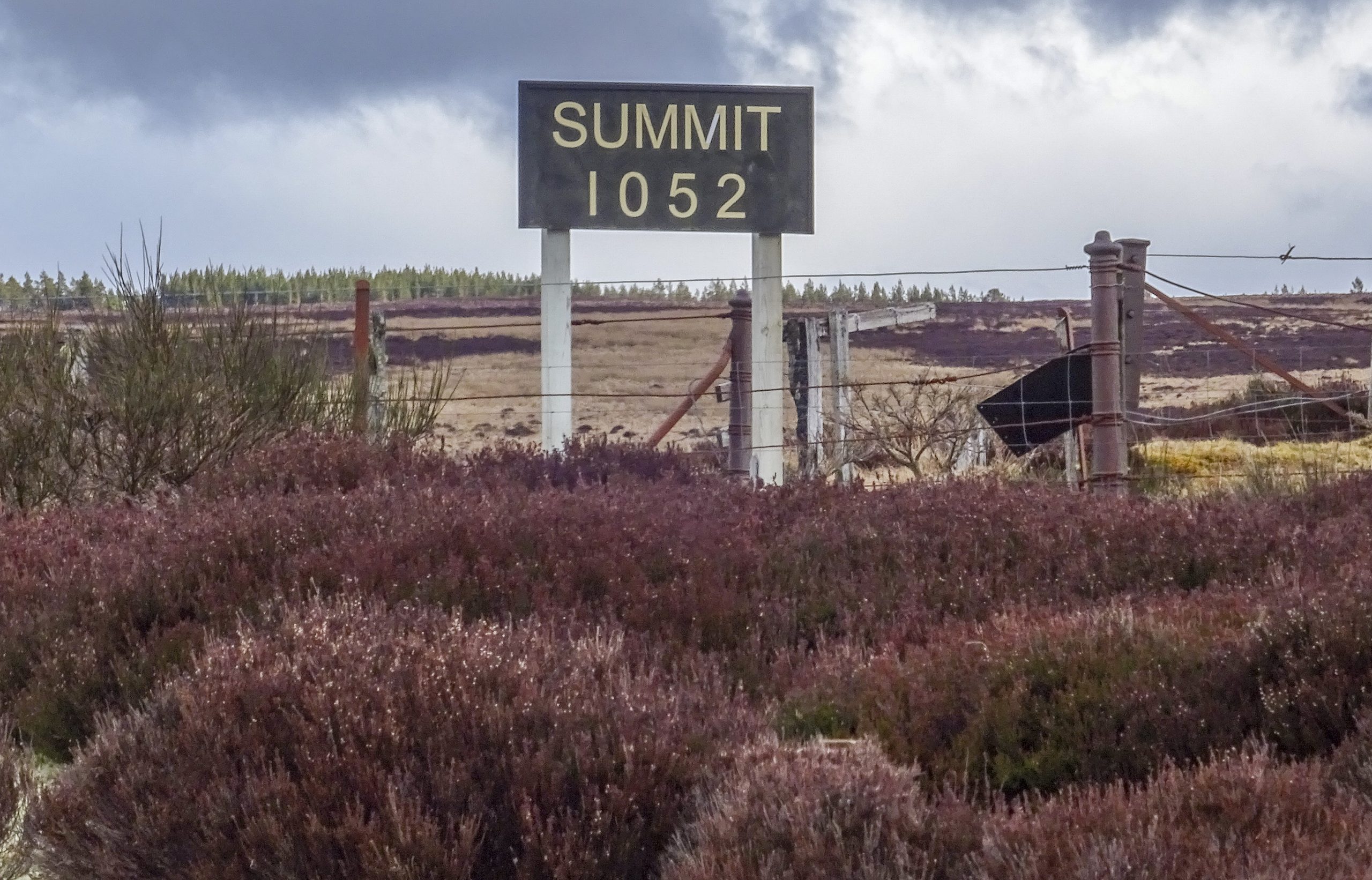
There’s a particular kind of satisfaction in covering the ground on a route that has long since been superseded by newer ways of doing things. The Dava Way is a case in point.
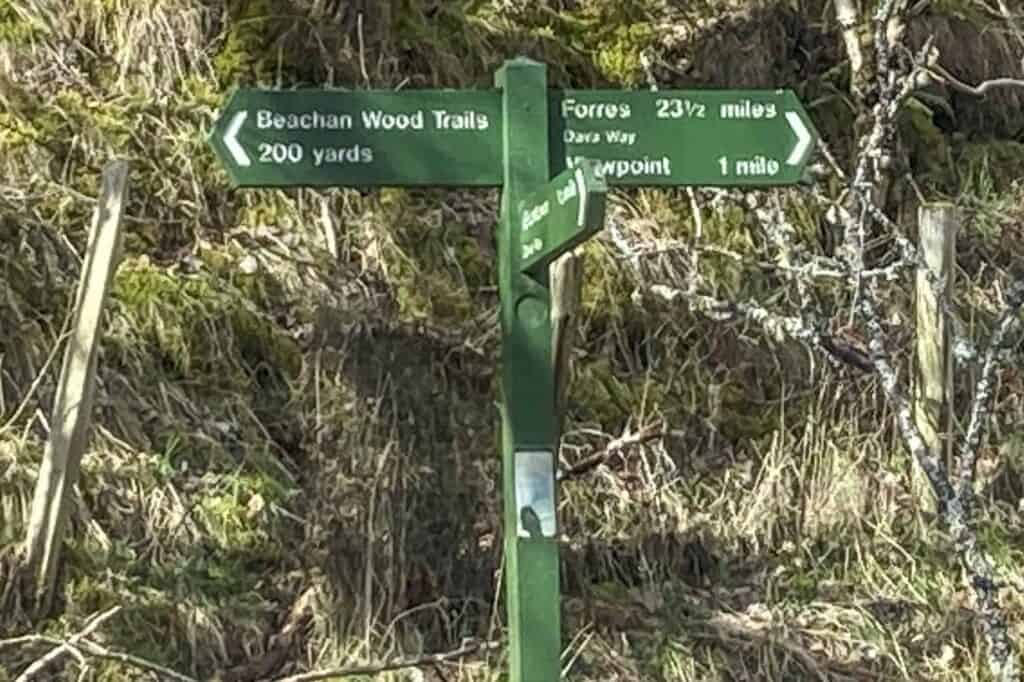
This 24-mile trail from Forres to Grantown-on-Spey is a fine example of how to repurpose industrial heritage into something of striking diversity. It follows the course of an old Highland railway line, and for the walker or cyclist it is more than a workout; it is a chance to engage with the ecology and topography of the Highlands, history being a constant companion.
The Dava Way will suit your plans whether you are looking for a half-day out, a full day’s exertion or something more unhurried over a few days. As a linear path it does require some logistics to be put in place, but you are amply repaid with a sense of continuity that binds the upland to the coast, the moor to the settlement, and the man-made embankment to the wilder country beyond. You could call it a 24-mile off-road path and be correct, though it is a reductive way of putting it. At both ends it joins with the Speyside Way and the Moray Coast Trail, which in turn form a triangular circuit of over 100 miles through some of Scotland’s finest scenery.
In many ways it is a corridor through time as well as space, carrying one from the Moray lowlands to the edge of the Cairngorms and all the shifts in light and atmosphere that entails.


A railway reborn
The line between Forres and Grantown-on-Spey was once of some consequence in this remote part of the country, economically and socially. Like so many secondary railways it was eventually shut down and the trackbed left to lie until it could be put to recreational use. Today the Dava Way still has the logic of that original engineering about it. The gradients are easy because they were made for locomotives rather than lungs and legs, a quality that appeals to families and cyclists who want to put in the miles without the strain of steep climbs.
There is value in the trail being what it is. An occasional bridge or the ruins of a station will remind you of the iron wheels and whistles that once gave the place its pulse. While the railway no longer offers literal transport, it is a controlled ribbon through terrain that would be hard going otherwise.
On the ground
Leaving Forres for Grantown-on-Spey the way eases inland. Do not expect a slick urban cycle path; the surface is whatever the season and maintenance allow, from compacted gravel to something rougher. There is a certain remoteness to it.
A fit person can manage the 24 miles in a day, but most are better off taking two days, especially if there is a mind to stop for a photograph or some wildlife at a leisurely pace. Cyclists might cover it quicker but should not rush; on a wet day the path is soft in places and in the open uplands the wind and sun have a way of being stronger than you would think.
You can follow the old alignment without trouble, but a map or GPS is wise. And since it is not a loop, drivers will have to make some arrangements for the return leg between the two towns. Some opt for a night at a midpoint to make a proper multi-day thing of it.
What makes the Dava Way so good is its flexibility. There is no need to do it all at once. A shorter outing near Forres is a sensible way for the casual walker to get a feel for the terrain and the history. But for those willing to commit to a full day and see the whole length, it is very rewarding. Set off early and you will see the settled agricultural country give way to something of a different scale before you know it, and the local path becomes a true passage through the Highlands. Those with a multi-day plan in mind will find the trail offers an invitation to a more contemplative, measured pace. A couple of overnights can turn what would be a straightforward point-to-point trip into something of a proper exploration.
It is the right approach for the walker inclined to take in the birdlife and the microhabitats one comes across. With two days or so at your disposal there is time to notice what might otherwise be missed: the dampness of a shaded cutting, or how sphagnum and heather are reclaiming old infrastructure; you may even spot deer on the open moor at first light, unheralded.
The changing landscape from lowland to moor
What gives the Dava Way its visual and ecological draw is the transition. The route begins in Forres in the gentler environs where fields, woodland and human settlement set the scene. From there the ground rises and opens up, but without any Alpine theatrics; it is a gradual change of mood that puts an atmosphere on the place. Eventually the hedges and tracks are left behind for the sky and the moor.
One should be aware that while the walk technically commences in town, there is no marking to indicate it. The first signpost is on Mannachie Avenue. There is no designated parking in this residential quarter, but finding a spot nearby or making the short walk from the centre is easily done.
In the middle section the trail is somewhat of a liminal space between the wild and the everyday. The old railway line has its own geometry, yet the country around is at the mercy of the seasons. On a fine day Moray and the hills are in plain view, but mist will put things in a more intimate perspective. It is not about constant spectacle but an evolving one, and attention is better currency than speed.
Botany along the way
Altitude is less of a factor here than drainage and exposure. In the sheltered lower country by Forres you will see a good assortment of hedgerow plants and grasses, and when the season is right bluebells and buttercups will make an appearance on the verges, subject to local conditions.
Up in the uplands the flora is more typical of Scotland. Heather is to be expected, imparting a purple-brown hue in late summer, and hardy grasses and blaeberry persist on the tougher ground. In wetter spots sphagnum and other bog plants of the peatland are present; they are ecologically important and best not trampled, being deceptively soft underfoot as well.
There is also the quiet interest of nature putting the old railway works to new use. The trail is in part a result of such succession, with denser growth in the cuttings and self-seeded trees on the embankments.
Wildlife
An observant person will have little trouble with wildlife watching on the Dava Way. Birdlife is the most in evidence: buzzards circling overhead, crows and ravens, and smaller moorland birds in the grass. The comings and goings of a stonechat or meadow pipit in the open can liven up a still day in spring.
Mammals require more patience. Roe and red deer are to be found in the quieter stretches at dawn or dusk, and a hare may be seen if one does not overlook them. Voles and mice are mostly unseen but are the stuff that sustains the predators here.
Then there are the insects. In the warmer, protected areas in summer one is apt to come across hoverflies, bees and butterflies amid the flowering plants. Dragonflies and damselflies frequent the pools and drainage. Such unassuming life is an added interest and a reminder to the visitor that this is a habitat in full flow, not just scenery to be looked at.
Seasons and changing weather
The Dava Way is a route that bears the mark of the seasons. In spring there is a new animation to it, with fresh growth on the verges and the birdsong swelling as the day goes on. One can make plans with some certainty in summer, given the long days, provided one is willing to put up with the heat on open ground or an odd midge where the damp and still air lingers. Autumn offers its own aesthetic appeal in the form of heather and bracken and the way the leaves redden the landscape. Then comes winter, which has a starkness to it but is no less demanding; the higher sections in particular can be testing when wind, ice or snow are in evidence.
Weather is the defining factor on any Highland route. Even under benign conditions the moorland will feel exposed to the wind. A walk of this length calls for good waterproofs and layers, not to mention sufficient food and water. The cyclist should have the right tyres and means to fix a puncture, while the walker would be remiss without sturdy boots and an appreciation for the distance. The trail is there to be made use of, but it is not to be taken lightly.
Heritage, silence and reward
More than just a long-distance path, the Dava Way has a quality to it that is hard to forget. It serves as a practical corridor for exercise and transit, yet it is also a historical artefact, an old railway line now ceded to nature and the public. On the quieter stretches it is meditative, the only company being the wind, the birds and one’s own footsteps.
Here you have a fine instance of how redundant infrastructure can be repurposed for a half-day or several days out while keeping some sense of what came before. The cyclist will find a pleasant off-road run of it, the walker the kind of satisfaction that comes from a route unfolding at a human pace.
Put simply, the Dava Way is 24 miles of changed perspective rather than 24 miles of former track. Paths are as much narratives in motion as they are lines on a map, and in travelling them the landscape becomes legible. With every step or turn of the wheel on this Highland route, endurance and history come together to put forward a new view.